Automation is now table stakes for car washes, industry exec argues
A Tommy's Express executive says conveyor automation, license plate recognition, and membership billing no longer set operators apart, but free staff to focus on the guest experience.
By The Car Wash News Staff
3 min read
Car wash automation has moved from a competitive edge to a baseline expectation, and the operators who win over the next decade will be those who use it to redeploy staff rather than simply cut headcount. That is the argument laid out by Matt Nagelkirk, VP of franchise development at Tommy's Express Car Wash, in a column published by Auto Laundry News.
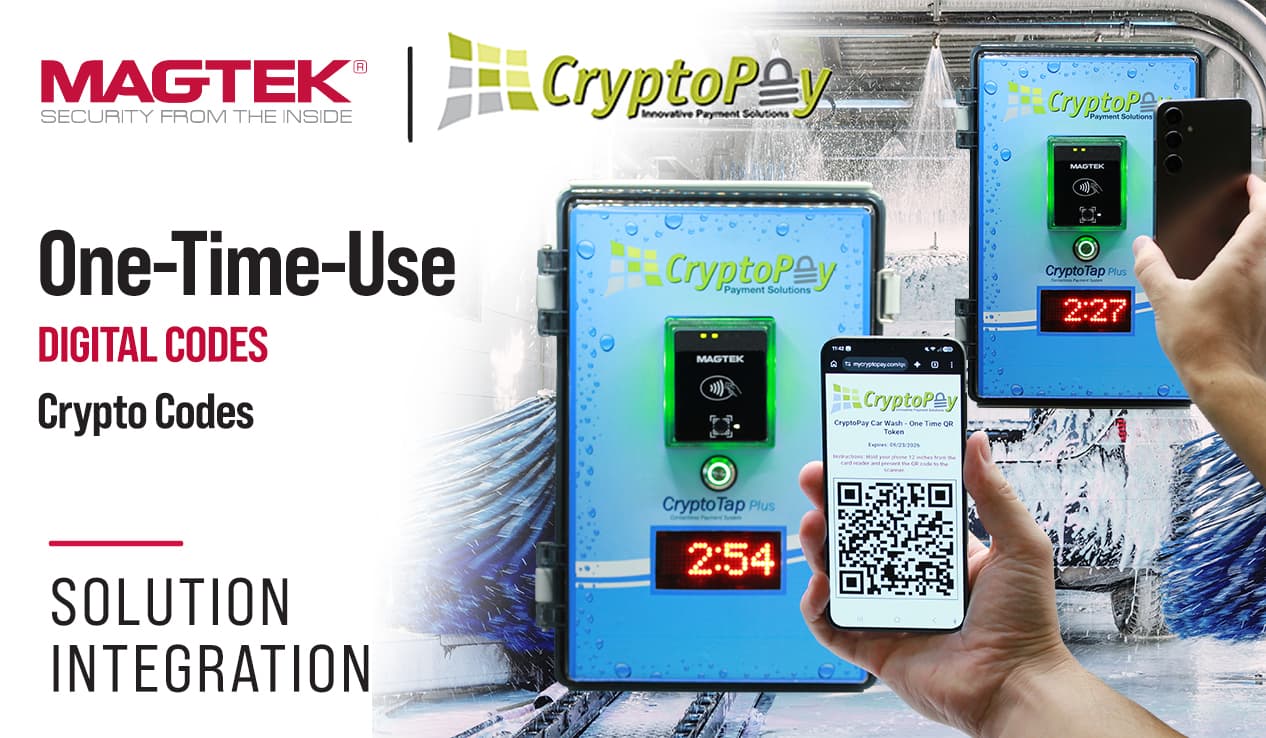
Nagelkirk traces how conveyor automation, license plate recognition, and contactless payment stations have shrunk the frontline crews that once guided cars, hand-sprayed bumpers, and staffed cash booths. For operators battling turnover, no-shows, and rising wages, he frames adoption less as an option and more as a survival requirement, warning that holdouts risk being priced out by modernized competitors.
Memberships and kiosks reshape the economics
According to the column, the single biggest disruption of the past decade is not any piece of equipment but the subscription membership plan. Automated billing platforms and plate recognition turned washes from transactional businesses into recurring revenue operations, with top-performing brands now drawing more than half their revenue from members. Membership customers also tend to wash more frequently, which builds loyalty over time.
Self-serve kiosks extend the shift. Nagelkirk notes that modern kiosks can walk first-time visitors through options in plain language and offer add-ons such as tire shine, spot-free rinse, and interior freshening. Done well, that automated upselling can raise ticket averages without a staff member speaking, and it delivers the same menu with the same clarity on a slow Monday or a packed Friday.
Monitoring moves from reactive to predictive
The operational gains reach beyond the customer counter. Remote monitoring lets operators check equipment performance, detergent levels, and throughput from a phone, which matters most for owners running multiple sites. Preventative maintenance alerts flag warning signs before a breakdown, shifting operators from absorbing downtime costs to heading them off. AI-powered analytics that read historical traffic and seasonal trends can also predict volume spikes, helping operators plan staffing and time promotions.
Still, Nagelkirk is direct about the limits. Technology can move a car through a tunnel and process a payment in seconds, but it cannot make a guest feel welcome, answer a nervous first-timer with patience, or catch a missed spot and offer to fix it. Brand loyalty, he writes, "isn't built by software." A brief greeting, a 30-second conversation at the kiosk, or a quality check at the exit can convert a one-time visit into a long-term subscriber.
Why it matters for operators
The practical takeaway is that automation alone no longer differentiates a wash. If conveyor systems, plate readers, contactless pay, and membership billing are table stakes, then simply installing them keeps an operator in the game without winning customers. The real advantage comes from what operators do with the labor those systems free up.
For owners, that reframes the staffing conversation. Rather than treating automation as a pure cost-cutting tool, the argument is to keep well-trained team members and point them at tasks technology cannot handle: greeting guests, resolving problems on the spot, and catching quality issues before a car leaves the site. Operators weighing kiosk and membership investments should also account for the upsell and retention gains, not just labor savings. The predictive maintenance and analytics angle is worth attention too, since flagging equipment issues early and forecasting demand can protect both uptime and margins. The bottom line: automate the work that does not need a human, then measure whether your remaining staff are actually being used to build loyalty.