Why a structured cleaning program protects wash equipment and image
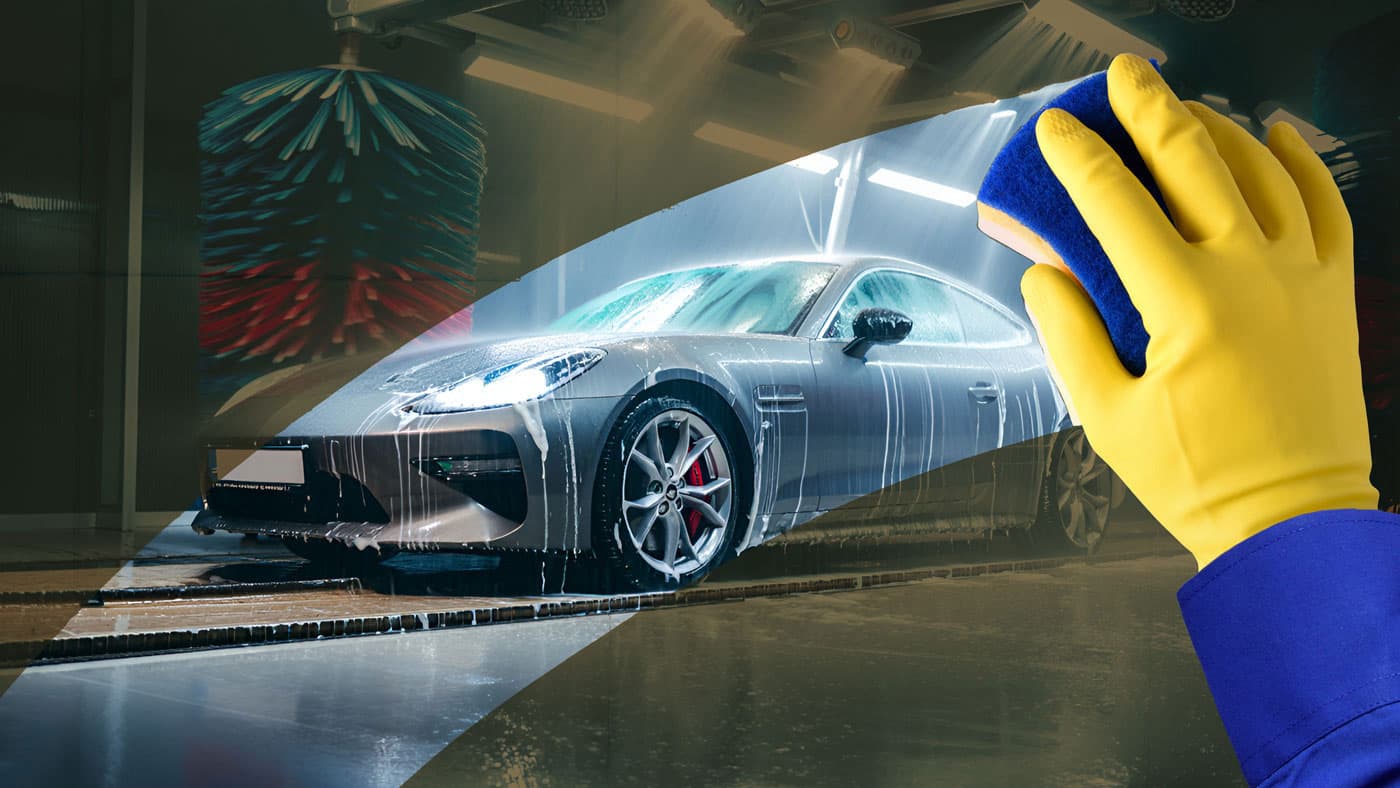
Industry experts say facility cleanliness drives both customer perception and equipment reliability, and each tunnel zone needs its own cleaning strategy.

Wednesday, October 21, 2026
Get the BriefSection
Site operations, labor, chemistry, equipment, and how great washes actually run.
Industry experts say facility cleanliness drives both customer perception and equipment reliability, and each tunnel zone needs its own cleaning strategy.
In a podcast interview at The Car Wash Show 2026, Bob Blasi argues that rebuildable carriage systems can get in-bay automatic doors running again in hours instead of days.
A guide from Auto Laundry News lays out the factors operators should weigh when selecting presoaks, foams, protectants, and specialty cleaners for their washes.
Annual In-Bay Automatic Survey finds two-thirds of operators saw volume rise as mom-and-pop washes lean into low prices and 24/7 service to counter express competition.
An industry veteran outlines branding, exchange programs, signage, and surveillance tactics to stop microfiber towels from driving out the exit gate.
Industry consultant Robert Roman argues that owners who work inside their stores hold a competitive edge as retail car wash volumes soften.
A trade column breaks down environmental fallout, rail dust, and water spots, and the pre-wash chemicals and clay methods used to restore paint.
An SCWA site tour through Northeast Ohio showcased operations blending tunnels, detailing lines, climate-controlled vacuums and even a partner gelato shop.
An industry guide breaks down how chemical strength, mixing mistakes and labeling gaps drive up costs and create safety risks at the wash.
A comparison of forced air and radiant tube heating systems weighs upfront cost against fuel efficiency and floor-level freeze protection for cold-climate tunnels.