Carwash operator builds motorcycle wash business with Bike Spa system
Ken Eckenroth, owner of Pappy's Carwash in Garland, Texas, is distributing a 400 PSI motorcycle wash system he says opens new revenue for dealers.
By The Car Wash News Staff
3 min read
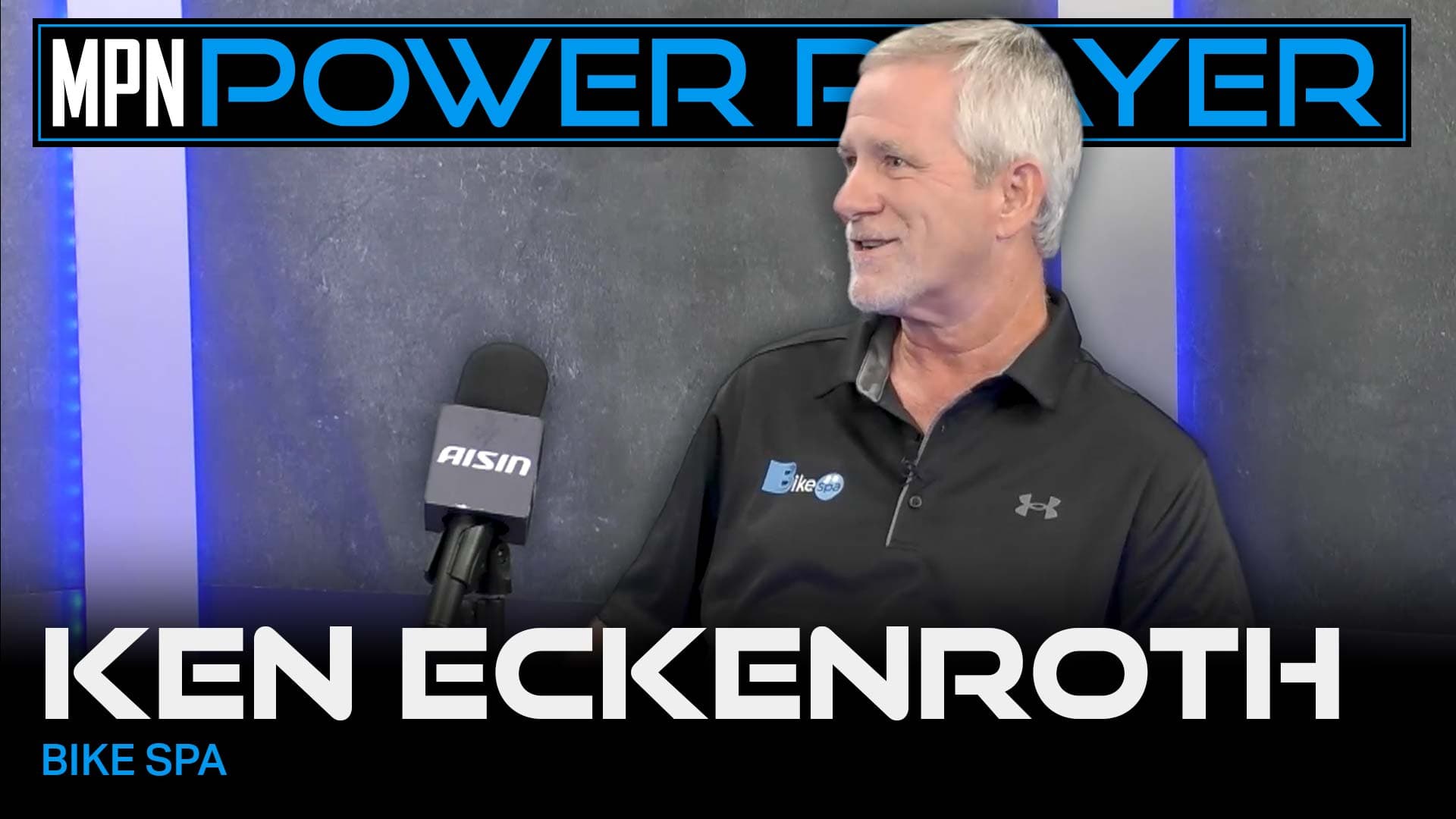
A Texas carwash operator is betting that motorcycles represent an untapped market for the wash industry. Ken Eckenroth, owner of Pappy's Carwash in Garland, Texas, has become the U.S. distributor for Bike Spa, a motorcycle wash system he says creates new revenue opportunities for dealers and operators.
Eckenroth appeared on MPN Power Player, a video series produced by a sister publication, according to reporting from Professional Carwashing & Detailing. He said he combined his family's motorcycle background with seven years of experience in the carwash industry to take on the role of Bike Spa's American sales representative.
How the system works
The Bike Spa system cleans motorcycles using water pressure of 400 PSI, a level Eckenroth says removes dirt without harming paint or stereo equipment on the bikes. The system also incorporates built-in compressed air, which reaches tight areas around engines and windshields that towels cannot access.
Eckenroth's newly built Garland location is designed to showcase how the concept can operate at scale. It includes a covered detailing area that can accommodate up to 20 motorcycles at once. The space is stocked with free towels, chrome polish and chain lubricant for riders who want to finish the job by hand after the wash.
Bike Spa is scheduled to appear at the 2026 Sturgis Motorcycle Rally, one of the largest gatherings of motorcycle enthusiasts in the United States, giving the system exposure to a concentrated audience of potential customers.
A niche adjacent to the core business
The pitch positions motorcycle washing as an adjacent service rather than a replacement for traditional vehicle washing. Because motorcycles carry sensitive components such as exposed engines, chrome, and audio equipment, they present cleaning challenges that standard automatic tunnels and self serve bays are not always built to handle. A purpose built system aims to fill that gap while drawing a customer base that may not otherwise visit a conventional wash.
Eckenroth's own operation demonstrates the model he is selling: a covered detailing zone, consumable products on hand, and equipment tuned specifically for two wheeled vehicles.
Why it matters for operators
Motorcycle washing is a reminder that operators can look beyond the standard tunnel and self serve formats to find revenue in underserved segments. Riders are often particular about how their bikes are cleaned, and many avoid automatic systems out of concern for paint, chrome, and electronics. That reluctance creates an opening for operators who can offer equipment designed for the job.
For operators considering a similar move, the practical questions are location and demand. A motorcycle wash concept depends on a strong local rider community, seasonal weather patterns, and events that draw enthusiasts. The consumables model Eckenroth uses, offering free towels and polish, also signals that this niche leans toward a hands on, detailing oriented experience rather than a quick in and out transaction.
Before committing capital, operators should weigh whether their market has enough motorcycle traffic to justify dedicated space and equipment, and whether the service fits alongside existing operations or requires a separate footprint. As a low overhead add on or a standalone concept, motorcycle washing offers one path to diversify away from the crowded express wash space.