Carwash real estate strategy now decides site success before construction begins
Rising competition and construction costs are pushing express operators to weigh demographics, access and membership capacity long before breaking ground.
By The Car Wash News Staff
3 min read
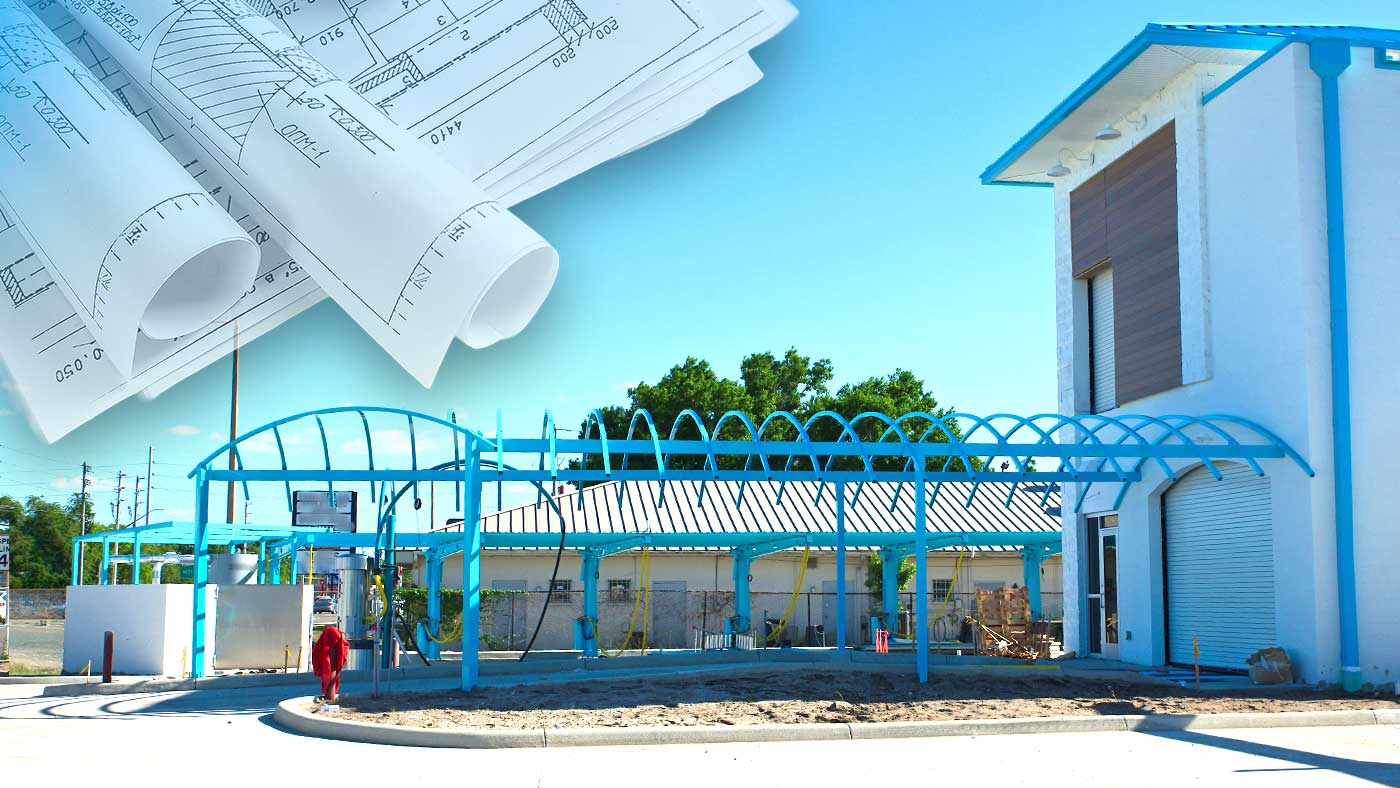
Developing an express carwash used to follow a predictable path: secure a high-traffic corner, build an efficient tunnel, launch an unlimited membership program, and grow from there. That formula fueled the rapid expansion of the express model, but the development landscape in 2026 has grown considerably more complicated.
According to reporting from Professional Carwashing & Detailing, competition for premium sites has intensified, construction costs remain a major factor, and many markets have matured into crowded fields. As a result, the industry's biggest decisions now happen well before any equipment is installed. The relevant question, the report notes, has shifted from where an operator can build to where an operator can build successfully for the long term.
A more disciplined approach to growth
Consumer demand for professional washing remains strong, but expansion decisions have become more measured. The article points to the International Carwash Association's CAR WASH Pulse research, which describes a marketplace shaped by competitive pressure, changing consumer behavior and a maturing environment.
During the boom years, simply securing available land in a growing market was often the top priority. Now operators are emphasizing sites that can perform over time. Key questions guiding those decisions include whether the trade area supports long-term membership growth, whether customer access is convenient, whether the property can absorb future demand, how dense the surrounding competition is, and whether the real estate will hold value.
Because a new express location represents a large investment across land, construction, equipment and technology, the report stresses that a site has to keep performing well beyond opening day.
Fundamentals and membership shape design
Real estate strategy has become one of the most significant shifts in express development. Traffic volume still matters, but it is no longer the only yardstick. Operators and developers now weigh population and household growth, income demographics, vehicle ownership trends, commuting patterns, nearby commercial activity, competitive density, zoning, utility availability and planned future development.
The article makes a pointed distinction between visibility and accessibility. A property that customers cannot easily enter, navigate or exit may struggle regardless of how many cars pass by, since the customer experience begins before a vehicle ever reaches the tunnel.
The rise of unlimited memberships has also changed facility design. Unlike traditional retail that depends on occasional transactions, membership businesses must accommodate customers who may visit several times a month. That places new demands on vehicle stacking capacity, traffic circulation, entry and exit patterns, vacuum configuration, technology integration and room for future expansion.
The report cites ICA's Q1 2026 Pulse findings that nearly 90% of surveyed members planned to renew their subscriptions, underscoring how much site design now revolves around serving recurring, high-frequency customers rather than one-time buyers.
Why it matters for operators
For operators evaluating their next location, the takeaway is that mistakes made at the site selection stage are difficult to fix later. A poorly chosen property can undermine even excellent operations, while a well-positioned one can deliver a lasting competitive edge. Before committing capital, run the trade area through the full checklist the article outlines, not just traffic counts, and pressure-test whether the layout can handle membership volume years into the future, not just at opening.
Accessibility deserves as much scrutiny as visibility. If members cannot get in and out quickly during peak hours, retention will suffer even in a strong location. Building in stacking capacity, smart circulation and expansion flexibility from the start is far cheaper than retrofitting a constrained site once membership growth outpaces the design.