Design choices made before construction can shape a wash's long-term success
On a Wash Talk podcast episode, Modernwash's Tim Hogue argues that building layout and permitting deserve as much attention as equipment and chemistry.
By The Car Wash News Staff
3 min read
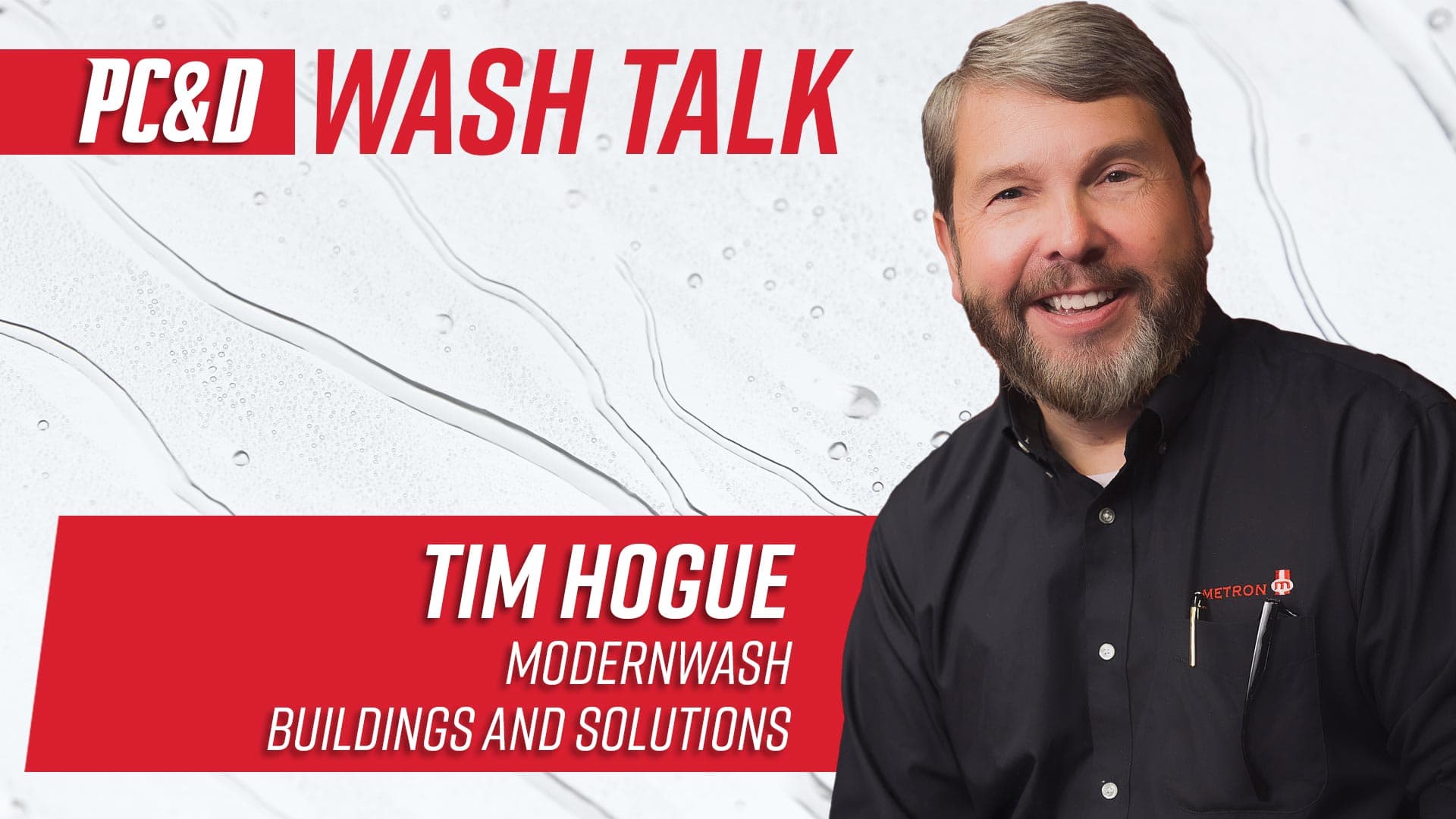
Car wash operators tend to obsess over chemistry, equipment and branding, but the building itself may be the first thing a customer judges. That was the central argument from Tim Hogue of Modernwash in a recent episode of the Wash Talk podcast, according to reporting from Professional Carwashing & Detailing.
Speaking with host Kyle Alexander, Hogue made the case that a structure signals quality before a vehicle ever reaches the tunnel entrance. That first impression, he suggested, is too often treated as an afterthought behind mechanical and marketing decisions.
The mistakes that happen before the first shovel
Hogue focused much of the conversation on errors operators make well before construction begins. He pointed to poor site layouts, tight turning radiuses and rushed planning as recurring problems. In many cases, he said, the root cause is a design team that fails to communicate clearly among its members, leaving gaps that surface only after the concrete is poured.
He also urged operators to think on a longer timeline than they typically do. Rather than planning around a five-year outlook, Hogue recommended future-proofing a site for a 10 to 15 year horizon. That approach, he explained, allows an operator to scale equipment and add storage as demand grows, instead of being boxed in by decisions made to fit near-term needs.
Why some projects clear permitting faster
The episode closed with Hogue's take on why certain car wash projects move through city approval more quickly than others. He credited two factors: submitting thorough, code-compliant permit packages and maintaining direct communication with city officials throughout the process. Incomplete or non-compliant submissions, by contrast, invite the back-and-forth that stalls projects.
His broader advice to operators, both new entrants and experienced builders, was to assemble a strong design team early and begin preparation well ahead of schedule. Doing so, he argued, is what lets a building stand apart from competing washes rather than blend into the pack.
Why it matters for operators
Site and building decisions are among the least reversible investments an operator makes. A cramped layout or an awkward turning radius cannot be fixed with a new chemical program or a marketing push, and undersized infrastructure can cap volume for the life of the location. Hogue's point about planning for 10 to 15 years is a practical hedge against a common trap: building exactly enough capacity for today and then paying far more to retrofit later.
The permitting guidance is equally concrete. Delays at the city level carry real carrying costs, from extended loan interest to pushed-back opening dates and lost revenue. Treating permit submissions as a quality-control exercise, and building a working relationship with local officials, can shave weeks or months off a timeline.
For operators evaluating a new build or an expansion, the takeaway is to slow down at the front end. Vetting a design team, pressure-testing the site plan and preparing complete permit documentation before breaking ground can prevent the costly, permanent mistakes that no amount of operational polish will undo later.