How to curb free-towel theft at express washes
An industry veteran outlines branding, exchange programs, signage, and surveillance tactics to stop microfiber towels from driving out the exit gate.
By The Car Wash News Staff
3 min read
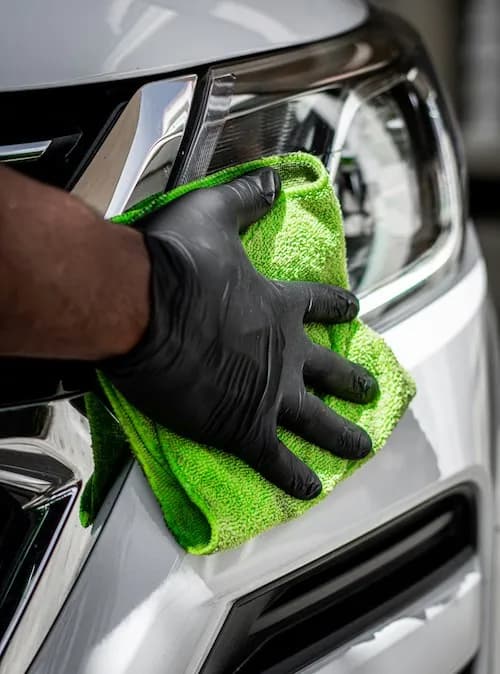
The free-use towel cart has become a standard amenity at express washes, but it also opens the door to steady inventory loss. A single microfiber towel stuffed under a seat can multiply into hundreds of dollars in shrinkage by the end of a month, and that drain goes straight to the bottom line.
In a column for Auto Laundry News, longtime towel supplier Joe Gartland argues that the fix is less about confrontation and more about psychology, branding, and visible accountability. The core idea runs through every tactic he describes: make a plain, anonymous towel feel like a freebie, and it walks; make it clearly branded, and taking it feels like shoplifting.
Exchange programs and branded towels
Gartland points to towel exchange programs as one practical option. Washes can sell a distinctive, logo-embossed towel for $3 to $5, then swap used ones for clean replacements at no charge. Framing part of the proceeds as support for local nonprofits or youth groups can soften the sting of asking customers to pay. A variation gives every monthly wash club member a high-quality branded towel, with free clean replacements on return, which adds a sense of exclusivity to the membership.
He also suggests borrowing a move from hotel chains, which cut linen theft by simply selling towels and linens to guests. Washes can offer premium towels at entry kiosks, small vending units at vacuum stations, or through lot attendants, turning a loss into add-on revenue.
The column's central recommendation is custom-printed microfiber towels carrying the wash's name and a message such as a note identifying the towel as store property and asking for its return. Clear ownership markings act as a psychological barrier and reduce shrinkage. As a bonus, any towel that does leave becomes a moving advertisement rather than pure loss.
Signs, cameras, and the limits of tech
On signage, Gartland advises against hostile messaging that threatens police or mugshots, which undercuts the welcoming feel of a modern wash. He favors transparent or lighthearted nudges that explain why towels should stay on-site, including gentle reminders prompting drivers to check their floorboards. Professionally designed signage, he notes, works far better than homemade signs.
Visible, weatherproof security cameras at vacuum stations paired with camera-notice signage are presented as the most effective physical deterrent, establishing accountability for customers and staff alike. Gartland is skeptical of RFID tracking for towels, warning that the cost of tags and exit readers can easily exceed any savings from reduced loss.
Why it matters for operators
Towel shrinkage is an easy cost to overlook, but across thousands of cloths a year it adds up to a meaningful hit on margins. The tactics outlined here are low-tech and affordable, which makes them worth testing before investing in expensive tracking systems. Custom-printed towels in particular do double duty: they discourage theft while putting a logo in customers' hands and trunks, effectively converting a loss category into marketing spend.
Operators weighing these options should look at the economics of their own towel turnover. If plain towels are disappearing in volume, the incremental cost of branding or an exchange program may pay for itself quickly. The broader lesson is that customer behavior responds to cues. Clear ownership, friendly accountability, and visible cameras steer well-meaning customers toward returning towels without damaging the premium experience that drives memberships.