In-bay operators report strongest volume gains in over a decade
Annual In-Bay Automatic Survey finds two-thirds of operators saw volume rise as mom-and-pop washes lean into low prices and 24/7 service to counter express competition.
By The Car Wash News Staff
3 min read
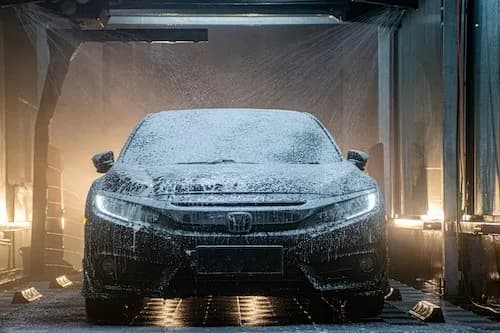
The in-bay and self-serve segment, long overshadowed by the boom in express exterior tunnels, is showing signs of a comeback. New data from the annual In-Bay Automatic Survey points to rising volumes and renewed investment, especially in underserved and rural markets, according to reporting from Auto Laundry News.
The shift comes as development costs for conveyorized washes have climbed to the point where small independent operators are effectively priced out of building new tunnels. That leaves in-bays and self-serve as the most economically viable entry point for mom-and-pop owners, and the survey suggests those formats are regaining ground.
What the survey found
The headline figure is volume growth. Two-thirds of in-bay operators, 67 percent, reported a bump in wash volume over the past year, which the report describes as the largest single-year increase recorded in more than a decade. The outlet speculates that customers may be returning to the bays because of lower wash prices compared with typical conveyor rates, along with better performance from newer in-bay equipment.
Investment is rising alongside demand. Forty percent of respondents said they plan to purchase equipment in the next 12 months, one of the highest rates seen in years. That appetite for new equipment comes against a backdrop of heavy express competition: 75 percent of respondents said an express exterior operates in their market, and 61 percent said the tunnel format has hurt their business.
How operators are responding
The survey frames the choice facing in-bay operators as either watching market share erode or fighting to hold it. Many are choosing to fight. Operators are buying new equipment, shortening maintenance intervals, and leaning into what sets them apart from the express model.
One of the clearest differentiators is availability. Eighty-six percent of those surveyed said they operate 24/7, a level of access that only a small number of conveyor operators can match. Combined with lower per-wash pricing, round-the-clock service gives in-bay and self-serve sites a positioning angle that express competitors generally cannot replicate.
Why it matters for operators
For independent owners who cannot absorb the cost of a new tunnel, the survey offers a measure of reassurance that the in-bay and self-serve segment is not a dead end. The volume and investment numbers suggest the format still has room to grow, particularly in rural and underserved areas where express density is thinner.
The practical lesson is that the operators gaining ground are not standing still. They are reinvesting in equipment, tightening maintenance schedules to improve reliability, and marketing their advantages of lower price and 24/7 access directly against express competitors. With 61 percent reporting real damage from tunnel washes nearby, treating express competition as a prompt to upgrade rather than a reason to retreat appears to be paying off. Operators weighing their next capital decision may want to benchmark their own volume trends and maintenance intervals against the segment data before committing to new equipment.