Nanobubble reclaim tech aims to cut carwash freshwater use to 12 gallons per car
Moleaer's Josh Bachner says suspended bubbles can tackle the suspended solids, soaps and odors that conventional reclaim systems leave behind.
By The Car Wash News Staff
3 min read
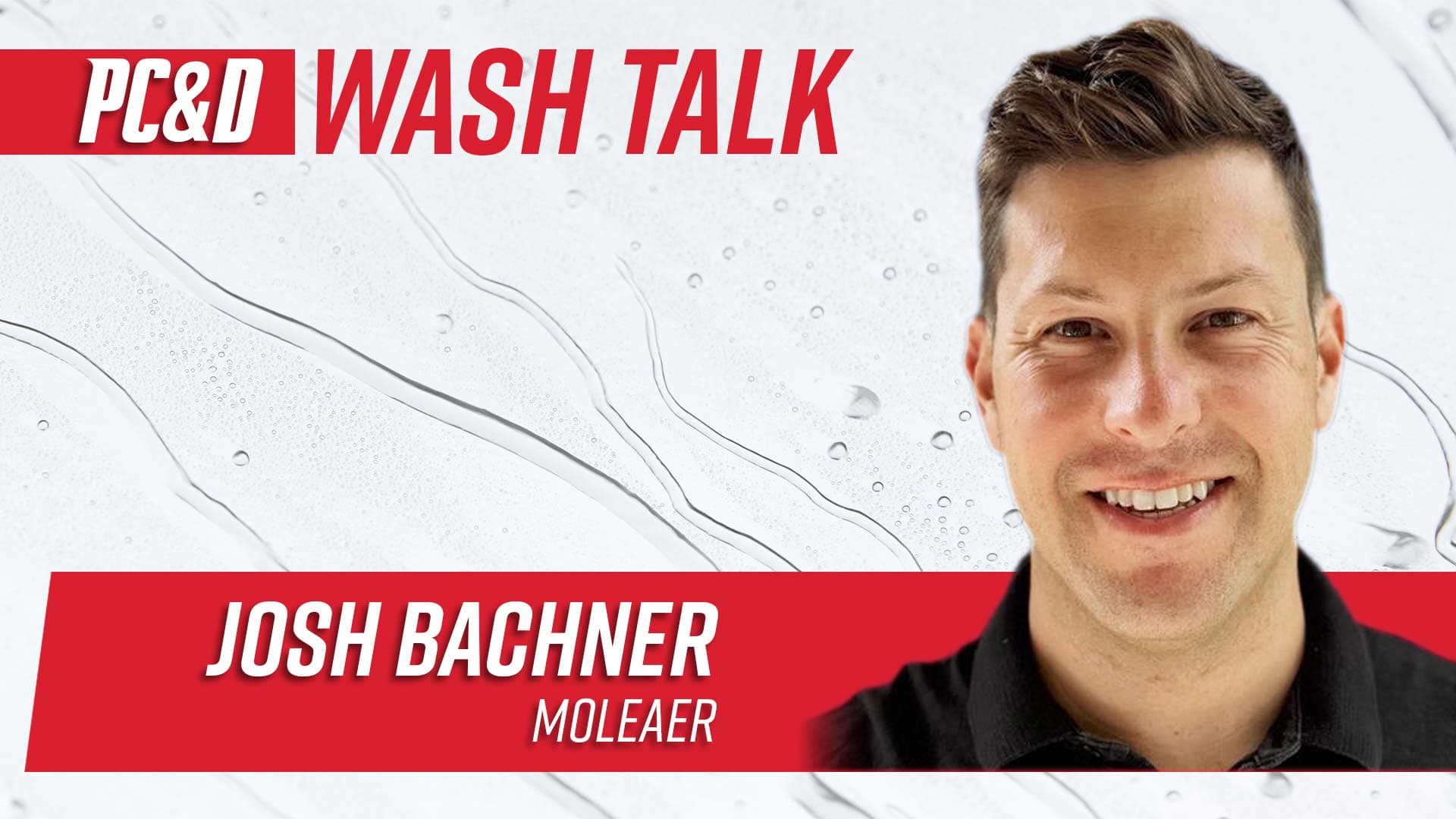
Water reclaim systems have long been a fixture at high volume washes, but they leave a gap that many operators quietly work around. In a recent Wash Talk podcast episode, according to reporting from Professional Carwashing & Detailing, Moleaer's Josh Bachner made the case that nanobubble technology can close that gap and push freshwater consumption dramatically lower.
Bachner described a nanobubble as roughly 100 nanometers across, about 2,500 times smaller than a grain of salt. Because the bubbles are so small, they stay suspended in the water instead of floating to the surface, which is where their treatment value comes from. He positioned Moleaer as a California company with more than 10,000 installations across over 55 countries, with reclaim water now its primary focus in the carwash sector.
Where conventional reclaim falls short
According to the interview, standard reclaim systems handle heavy material such as sand and grit well, settling it out of the water. The problem is what they leave behind: suspended solids, soaps, waxes and oils that stay in the loop. Many systems also fail to keep tanks aerobic, and Bachner identified that as the root cause of the hydrogen sulfide odor operators know well.
That shortcoming has practical consequences. Bachner noted that operators often run reclaim systems below their rated capacity to protect wash quality, effectively limiting how much reclaimed water they can safely reuse. He also argued that common treatments such as ozone, chlorine and hydrogen peroxide address symptoms rather than the underlying cause. Moleaer uses a patented shear method, which Bachner distinguished from cavitation based approaches used elsewhere.
The numbers Moleaer is citing
The strongest claims in the conversation were the water savings. Bachner pointed to a Pennsylvania site that reduced freshwater use from 36 to 38 gallons per car down to 12 gallons per car. He cited typical savings of around 20 gallons per car and payback periods ranging from two or three months on the short end to roughly 18 months.
Bachner also outlined the company's broader footing: backing from investor and strategic partner Xylem, a recent partnership with Solenis, and applications beyond car washing in municipal wastewater, aquaculture and hot tubs. Looking three years out, he predicted nanobubble treatment will become standard equipment in carwash reclaim systems, both as a retrofit and in new builds, as early adopters reduce the perceived risk for others.
Why it matters for operators
Water is both a cost and a compliance issue, and in drought prone or sewer surcharge markets it can shape whether a site pencils out at all. If a reclaim upgrade can move a wash from the mid 30s to around 12 gallons of freshwater per car, the operating math changes meaningfully, and the cited payback windows suggest the investment can be recovered inside a season at the low end.
The odor point is worth equal attention. Hydrogen sulfide complaints and chemical patches to mask them are a recurring headache, and a system that keeps tanks aerobic addresses the cause rather than the smell. Operators evaluating any reclaim claim should ask for site specific data, verify savings against their own current gallons per car, and confirm payback assumptions before committing. Vendor projections are a starting point, not a guarantee, but the water and odor problems Bachner describes are real and familiar across the industry.