Silverstar Car Wash fills 100 backpacks for Sioux City students
A back-to-school drive led by a newly promoted local director brought together teammates, customers, and retailer SCHEELS to supply area children.
By The Car Wash News Staff
3 min read
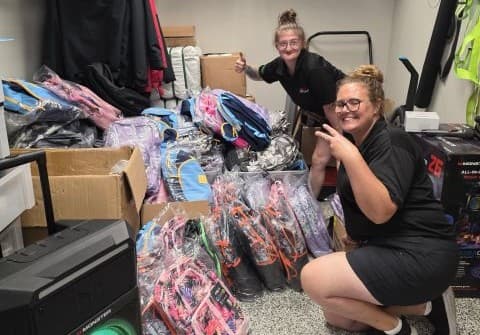
Silverstar Car Wash in Sioux City organized a back-to-school backpack drive that will put filled bags of school supplies into the hands of 100 local children at a community event on August 16, according to reporting from Car Wash Business Center.
The effort was proposed by Erika Bamsey, who was recently promoted to Director in the Sioux City market. She pitched the drive as a way for the local Silverstar team to give back to the families it serves. Retailer SCHEELS donated 100 backpacks, and teammates, customers, and SCHEELS together contributed the supplies to fill them. Silverstar staff then handled the stuffing and preparation ahead of the event.
How the drive came together
Bamsey described the initiative as beginning with a straightforward idea that grew into a broader collaboration. "What started as a simple idea quickly became a true team effort," she said. The project drew participation from three groups: Silverstar employees, the wash's customers, and the retailer that supplied the backpacks.
Silverstar operates under MOJO Family of Brands, a multi-brand car wash platform that describes itself as running 20 brands nationwide. MOJO Chief Executive Officer Terry Emerson framed the drive as an example of the company's emphasis on local community involvement, saying such efforts happen when teammates spot an opportunity and act on it. Andrea Vetos, MOJO's Vice President of Operations, said the company hopes the backpacks help make the start of the school year brighter for the 100 students receiving them.
A local initiative within a national platform
The drive illustrates how a large, multi-site operator can channel community goodwill through local leadership rather than a top-down corporate program. Bamsey's promotion to a market director role positioned her to identify a need in the community and mobilize resources across teammates, customers, and an outside retail partner. MOJO leadership publicly credited the local team rather than a central marketing function, reinforcing the message that individual site leaders are empowered to run community programs.
Why it matters for operators
Community drives like this one offer operators a low-cost, high-visibility way to build local goodwill during predictable seasonal moments such as back-to-school. The structure here is worth noting: the wash contributed labor and coordination while a retail partner and its own customers supplied most of the physical goods. That model spreads the cost and expands the pool of participants, turning a giveaway into a shared community event rather than a one-way donation.
Involving customers directly, by inviting them to contribute supplies, also deepens engagement in a way that a simple corporate check does not. Customers who help fill a backpack develop a personal stake in the wash's presence in their town. Partnering with an established local retailer adds credibility and can generate cross-promotion between two businesses serving overlapping customers.
For operators running multiple sites, the takeaway is the value of empowering local managers to lead community efforts. A program conceived and executed by a market director tends to reflect genuine local needs and carries more authenticity than a generic corporate campaign. Tying the initiative to a specific, countable outcome, in this case 100 filled backpacks, also makes the impact easy to communicate to staff, customers, and local media.