Soapy Joe's community fundraising program tops 100 events in 2026
The San Diego County chain's Force for Good program has generated more than $25,000 for local organizations by giving them 40 percent of proceeds from scheduled wash events.
By The Car Wash News Staff
3 min read
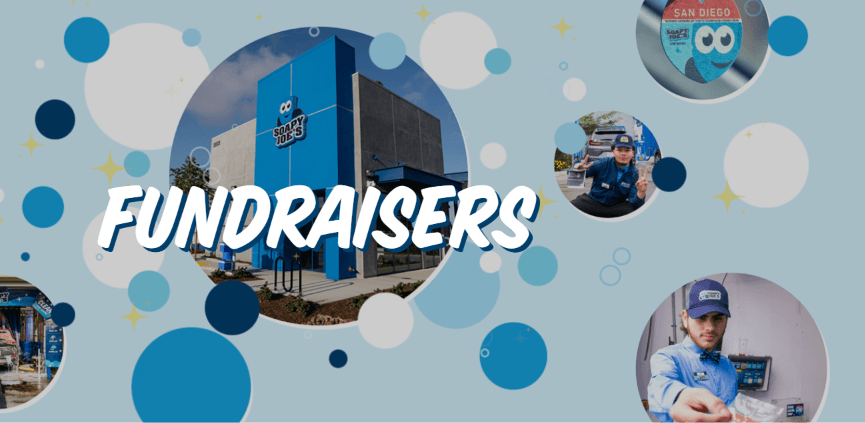
Soapy Joe's Car Wash, a family-owned operator with 27 locations across San Diego County, says its Force for Good fundraising program has passed 100 scheduled events and more than $25,000 in fundraiser sales year to date in 2026. The program launched in 2025 and has been gaining participants each month, according to reporting from Car Wash Business Center.
The program lets schools, youth sports teams, nonprofits and other community groups turn a routine service into a fundraising channel, giving supporters a reason to visit while raising money for local causes.
How the program works
Participating organizations schedule a dedicated fundraising event at Soapy Joe's locations and invite their supporters to come through during that window. Forty percent of the proceeds generated by the event go directly to the organization.
The company compares the structure to the fundraiser nights many restaurants run, where a share of sales on a given day benefits a local group. Soapy Joe's has adapted that familiar model to the car wash format, positioning the wash as the everyday service that drives the donation.
CEO Lorens Attisha said the volume of events shows demand for straightforward fundraising options, calling community engagement central to the company's approach. Adriana Escobedo, the company's director of marketing, said the goal is to keep the process simple for organizations. "Fundraising doesn't have to be complicated," she said. The company expects both the number of participating groups and the number of events to keep climbing as it expands the program.
Why it matters for operators
Community fundraising programs are a low-cost way to build local goodwill and drive traffic, and Soapy Joe's numbers show the concept can scale. More than 100 events in a partial year means the chain is hosting fundraisers at a steady clip, each one bringing in a group's supporters who might not otherwise visit.
The economics are worth studying. Handing back 40 percent of event proceeds is a meaningful giveaway, but the trade-off is customer acquisition and repeat visits at a fraction of typical marketing costs. Supporters who come in for a cause often convert to regular or membership customers, and the organization does much of the promotional work by rallying its own network. For an express wash with high fixed costs and low marginal cost per car, incremental volume during a fundraiser event can be attractive even after the donation.
Operators considering a similar effort should think about the mechanics: setting defined event windows rather than open-ended donations, tracking sales tied to each group, and making the sign-up process easy enough that schools and clubs will actually use it. A dedicated landing page and clear reporting keep the program manageable as event counts grow. Tying donations to membership sign-ups or upgrade tiers can boost both the charitable return and long-term customer value.
The broader lesson is that community programs work best when they are systematized. A recurring, repeatable framework beats one-off charity checks because it produces measurable results and gives local groups a reason to keep coming back.