Veteran operators reopen Lebanon, Pa. wash as Landis Auto Wash
Tim and Ami Landis bought the former Triangle Car Wash site for $700,000 and reopened it after a full renovation, returning to the industry after selling their previous business.
By The Car Wash News Staff
3 min read
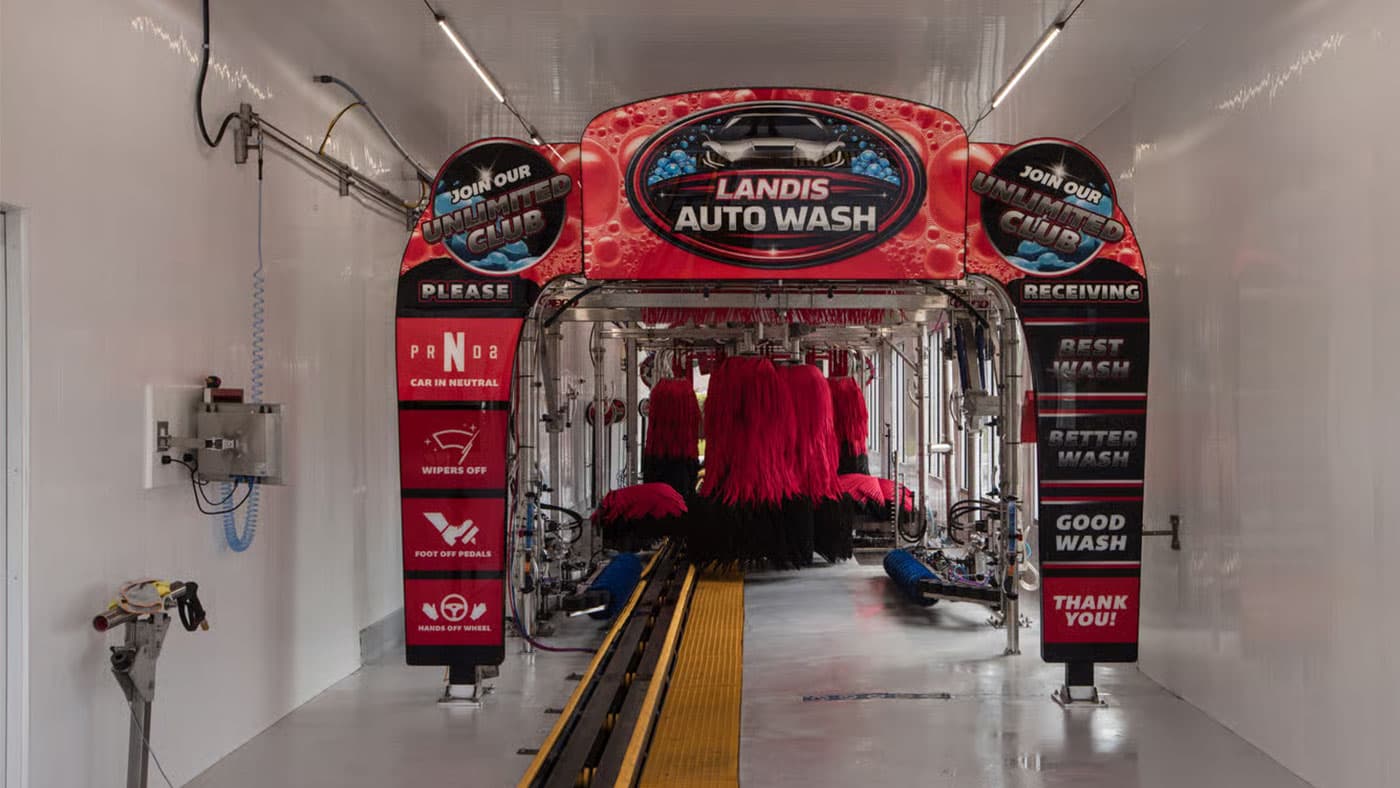
A former Triangle Car Wash site in Lebanon, Pennsylvania, has reopened under new ownership as Landis Auto Wash, following a substantial renovation of the Quentin Road property. The reopening marks a return to the car wash business for owners Tim and Ami Landis, according to reporting from Professional Carwashing & Detailing citing LebTown.com.
The couple previously operated Landis Wash and Lube in Lititz for 25 years before selling that business in April 2025. They returned to the industry by purchasing the Lebanon property for $700,000 in December 2025.
A full rebuild before reopening
The Landises invested in extensive upgrades before relaunching the site. The renovation included new electrical and plumbing systems, updated tunnel technology, and additional wash features. The work positioned the location to operate as a modern express site rather than simply reopening under the previous format.
The business began washing cars on September 14 and held its grand opening on October 17 with promotions and community activities. The owners carried over a monthly membership program from their prior operation, a model they said worked well at the Lititz location. They also indicated the business may add detailing services at some point in the future.
The Landises told LebTown.com they received an overwhelmingly positive response from the local community, and they said they plan to stay hands-on as owners rather than operating at a distance.
Why it matters for operators
The Landis reopening is a reminder that acquiring and renovating an existing wash can be a viable alternative to ground-up construction, particularly for experienced operators who already understand the business. Buying a known site at a fixed price, in this case $700,000, gives an operator an existing location, permits, and customer familiarity, while a targeted renovation of tunnel equipment, electrical, and plumbing can bring an older property up to current standards without the timeline and cost of a new build.
The decision to reinstate a monthly membership program from day one is also worth noting. Operators who have built unlimited plans at a prior site can transfer that playbook to a new location and begin converting retail customers to recurring revenue immediately, rather than treating memberships as a later add-on. Recurring plans smooth cash flow and build a predictable base during the critical early months after a reopening.
Finally, the owners' emphasis on remaining hands-on and leaning on community goodwill reflects a competitive edge that independent operators hold against larger chains. A grand opening built around local activities and promotions can generate the early traffic needed to seed a membership base, and personal involvement from ownership tends to resonate in smaller markets. For operators weighing expansion, the Landis case shows how prior industry experience, a defined membership strategy, and a renovated existing site can combine into a lower-risk path back into the business.