Why a structured cleaning program protects wash equipment and image
Industry experts say facility cleanliness drives both customer perception and equipment reliability, and each tunnel zone needs its own cleaning strategy.
By The Car Wash News Staff
3 min read
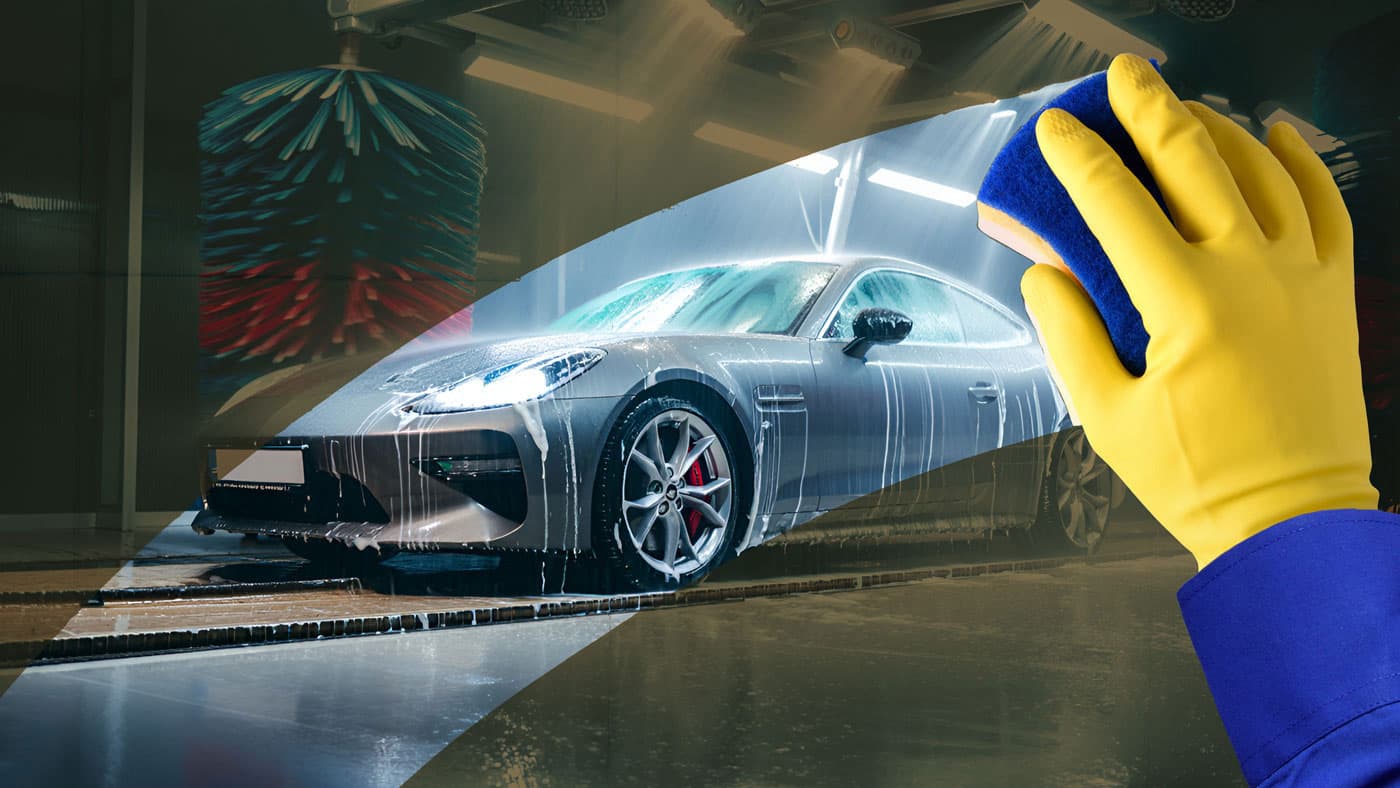
Customers arrive at a wash expecting their vehicle to leave cleaner than it came in, and what they see on the way through shapes whether they believe the operation can deliver. Dirty walls, stained equipment and algae or sludge in a damp corner can undermine that expectation before the wash cycle even starts.
According to reporting from Professional Carwashing & Detailing, cleanliness is more than a presentation issue. Accumulated dirt, chemical residue and road debris can degrade equipment, create safety hazards and eventually interfere with wash performance. The piece draws on comments from Will Jackson, partner with KC Chemicals, and Al West, sales manager at Simoniz USA.
West frames facility cleanliness as a profit driver, saying "clean equipment operates predictably." Buildup around conveyors, bearings and gears accelerates wear, while scale and film on applicators and manifolds disrupt nozzles and consistent chemical application. Safety is also at stake. West notes that a neglected tunnel is an unsafe tunnel, since sludge mixed with chemical overspray creates slip-and-fall risks. Jackson adds that dryers can push that material into the air, creating breathing hazards for staff.
Each zone collects different grime
A central point from both experts is that there is no single dirty spot in a tunnel. As Jackson puts it, grime can end up anywhere because water flies in all directions. West breaks the vehicle's path into six primary accumulation zones, each needing its own approach.
At the entrance, early wash steps strip the heaviest soil load, throwing dirt, silt and road grime onto walls, floors and equipment bases. In in-bay automatics and self-serve bays, that material concentrates where the vehicle sits.
The mid-tunnel and high-pressure area behaves differently, especially where reclaim water is in use. Reclaim can carry oils, brake dust, deicing material and other contaminants, and high-pressure spray can turn that mixture into an airborne mist that coats walls, windows and lighting. West highlights the risk to what he calls the wash theater: illuminated arches and LED lighting meant to reinforce a premium purchase.
The finishing zone, where waxes, protectants and sealants are applied, generates overspray that builds up on walls, windows and application arches. At the exit, dryers and tire-dressing systems make silicones, dirt and debris airborne, leaving film on surfaces and the blowers themselves. Finally, the pit collects water, mud, chemical runoff and debris that travels downward from everywhere else in the wash.
Moving past the acid-bath era
The experts stress that the old practice of blanket acid baths no longer fits modern washes. Today's facilities use a range of soils and substrates, so cleaning plans must match the specific contamination and surface in each area. Knowing where buildup collects is only part of the job; operators also need to know what they are cleaning so they choose the right product and method for each zone and material.
Why it matters for operators
Treating cleaning as a scheduled program rather than an occasional chore protects two things operators care about: equipment life and customer perception. Predictable, clean equipment reduces the odds of nozzle failures, worn bearings and inconsistent chemistry that show up as customer complaints or downtime. A written maintenance schedule that assigns zones, methods and frequency gives staff a repeatable routine and creates accountability.
The zone-by-zone framework is a practical starting template. Operators can map their own tunnel or bay against the entrance, high-pressure, finishing, exit and pit areas, then match cleaning chemistry to the surfaces and soils present in each. Keeping lighting and show arches clean also protects the marketing value operators paid for when they built a premium wash experience.