Why driveway sales are a people problem before a tech problem
Rinsed's Sam Logan argues that scripting, training and coaching, not location or technology, separate high-converting car washes from average ones.
By The Car Wash News Staff
3 min read
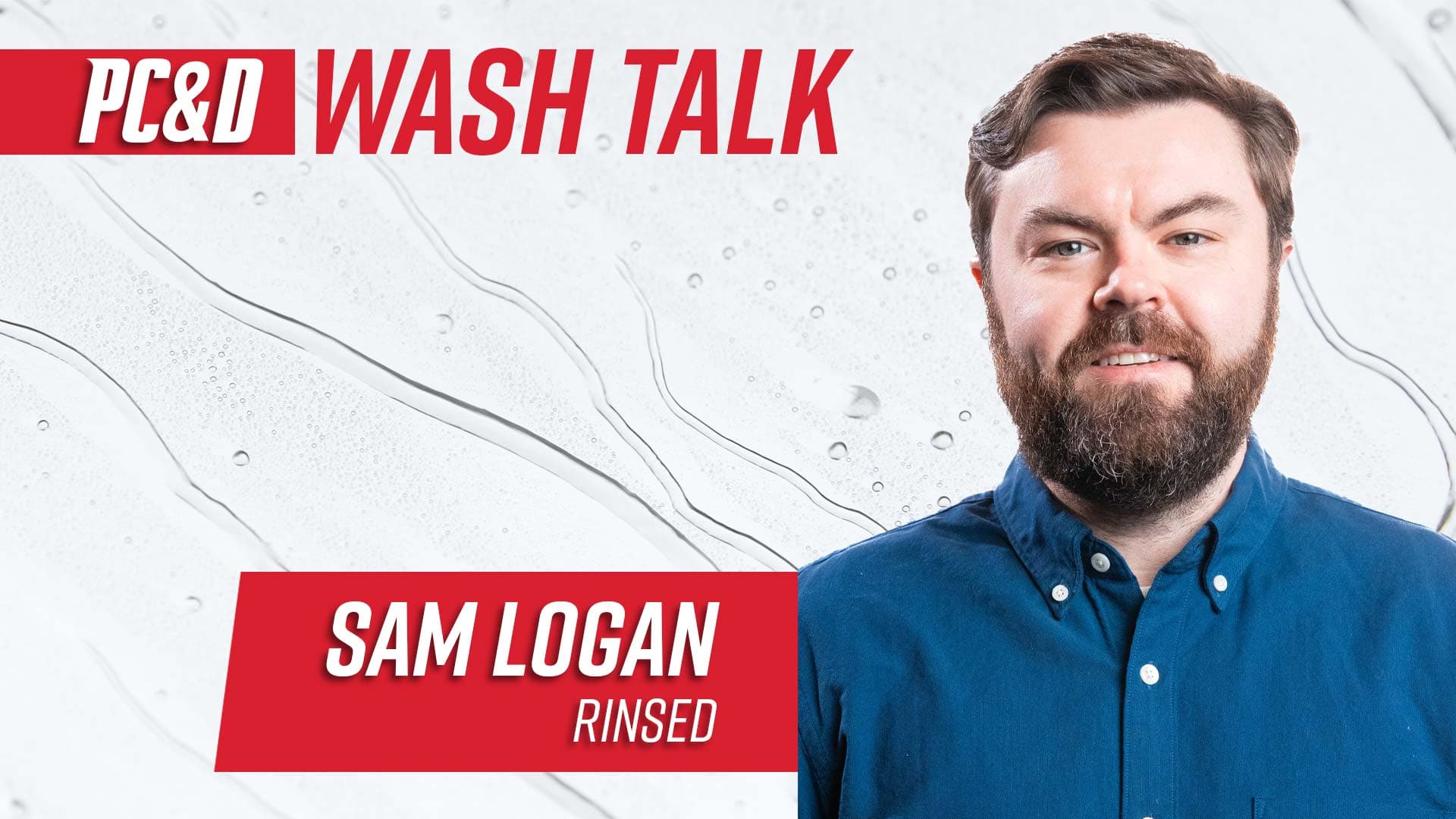
The moment a sales associate greets a driver in the wash lane may be the single most consequential point in the car wash customer journey, and the operators who treat it with discipline convert far more members than those who do not. That was the central argument from Sam Logan of Rinsed in a Wash Talk podcast interview recorded at The Car Wash Show, according to reporting from Professional Carwashing & Detailing.
Logan pointed to a wide gap in driveway conversion rates between operators and said the difference does not come down to technology or site location. Instead, it reflects how much operational rigor a business applies to the human interaction that happens when staff pitch a membership to a potential customer.
The Chick-fil-A model
Logan framed his approach around what he called the Chick-fil-A model: consistent scripting, thorough training, regular coaching and a defined career path for frontline employees. In his view, that combination is what distinguishes top-performing washes from average ones. It treats the driveway pitch as a repeatable, coached skill rather than something left to each employee to figure out.
The case for keeping a person in that role rests on the numbers Logan cited. Human sales pitches produce membership conversion rates that run 15 to 20 percent higher than kiosk-only interactions, he said. The conversation also touched on how personalization can be applied at the point of sale to make those pitches more effective.
Where AI fits
Logan closed by addressing the role of artificial intelligence in the industry. He positioned AI not as a replacement for human interaction but as a tool that enhances it. He noted that Rinsed is investing in AI support agents, conversational data interfaces and personalized customer outreach.
His consistent theme was that conversion is a people problem first and a technology problem second. Operators who solve the human side of the driveway interaction, he argued, are better positioned to amplify their results with AI later. Getting the fundamentals of training and coaching right comes before layering on automation.
Why it matters for operators
The practical implication is that membership growth may hinge more on how a wash manages its people than on any new equipment or software purchase. If a human pitch converts 15 to 20 percent better than a kiosk, staffing the lane and coaching that role becomes a direct revenue decision rather than a labor cost to minimize.
Operators can act on this by treating the driveway greeting as a defined role with its own script, onboarding process and ongoing coaching cadence. Tracking conversion by associate and by shift can surface which employees and which approaches perform best, giving managers something concrete to coach against. A visible career path for frontline staff may also reduce turnover in a position that directly influences recurring revenue.
The AI framing offers a note of caution for operators tempted to automate first. Logan's argument suggests that automating a weak sales process simply scales a weak process. Washes that build a strong human conversion engine now will have a cleaner foundation to enhance with AI tools as they mature, rather than using technology to paper over gaps in training.