Why Google search still drives car wash leads in the AI era
A digital marketing expert says Google searches hit a record high in early 2026 even as AI tools spread, making local search visibility and email more valuable for wash operators.
By The Car Wash News Staff
3 min read
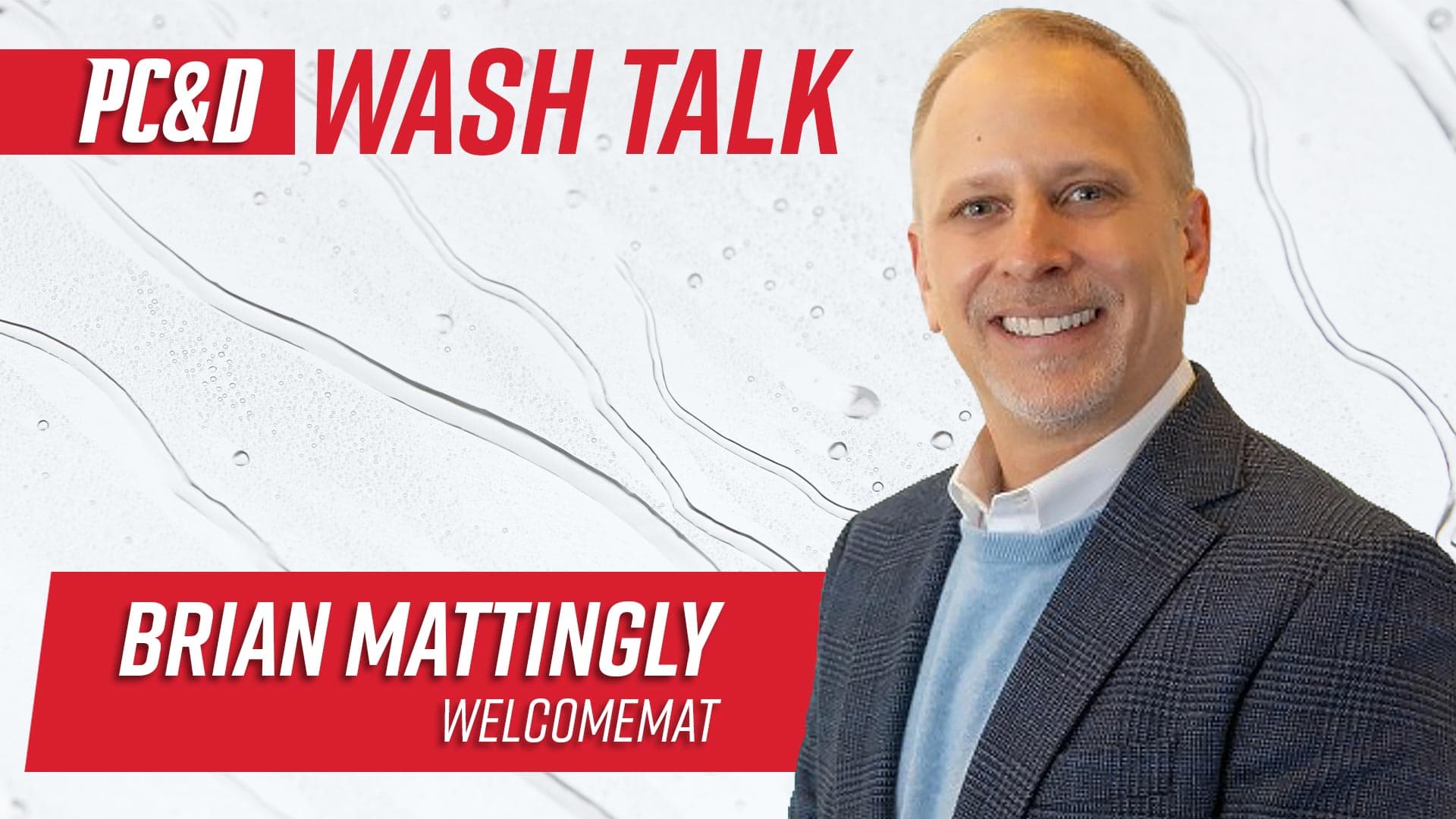
Even as AI-powered search tools like ChatGPT and Claude gain ground, Google searches reached an all-time high in the first quarter of 2026. That counterintuitive data point anchors a recent conversation on car wash digital marketing between Brian Mattingly of WelcomeMat and host Kyle Alexander, recorded at The Car Wash Show and published as an episode of Wash Talk: The Carwash Podcast.
According to reporting from Professional Carwashing & Detailing, Mattingly argues that the surge in search volume makes appearing in local car wash results more important than ever, and he outlines the signals that now determine whether an operator shows up when nearby customers search.
Rising ad costs and shifting search behavior
Mattingly points to a 12% increase in cost-per-click across Google and Meta, which he describes as the steepest rise since 2021. That climb in paid advertising costs is squeezing operators who rely heavily on those channels for new customer acquisition. He explains how top-performing brands are hedging against the increase rather than simply paying more for the same clicks.
The discussion also covers how technology is changing the way ad creative gets deployed. Mattingly describes a smart traffic system that continuously adapts creative to match audience behavior in real time, adjusting what viewers see based on how they engage. The broader takeaway is that operators cannot treat search and paid media as set-and-forget line items when both costs and consumer behavior are moving quickly.
Email and first-party data as the highest-ROI play
The conversation closes with a case for email as the highest-return channel in car wash digital marketing today. Mattingly encourages operators to build first-party data strategies, meaning customer information they collect and own directly rather than renting through ad platforms.
He frames email and SMS as complementary tools with distinct jobs. Email works best for relationship building and brand affinity over time, while text messages are suited to timely, weather-aware reminders that prompt an immediate visit. Combining the two lets operators use each channel for its ideal purpose instead of overloading customers on a single one.
Why it matters for operators
The core message is that digital fundamentals still decide who wins local customers, even amid the hype around AI search. With paid clicks getting more expensive, leaning entirely on Google and Meta ads is a shrinking-margin strategy. Operators who invest in local search visibility, so that nearby drivers find them organically, protect themselves against rising acquisition costs.
The first-party data point is equally practical. An owned email and text list is an asset that does not get more expensive when ad auctions heat up, and it gives operators a direct line to existing members and lapsed customers. For a business built on recurring wash club revenue, a well-run email program that reinforces brand loyalty and a text program that drives visits on the right weather day can deliver returns that paid channels increasingly struggle to match. The operators who capture customer contact information at the point of sale, and use it deliberately, will be best positioned as advertising economics tighten.