Why hands-on operators still outperform dashboard-only owners
Industry consultant Robert Roman argues that owners who work inside their stores hold a competitive edge as retail car wash volumes soften.
By The Car Wash News Staff
3 min read
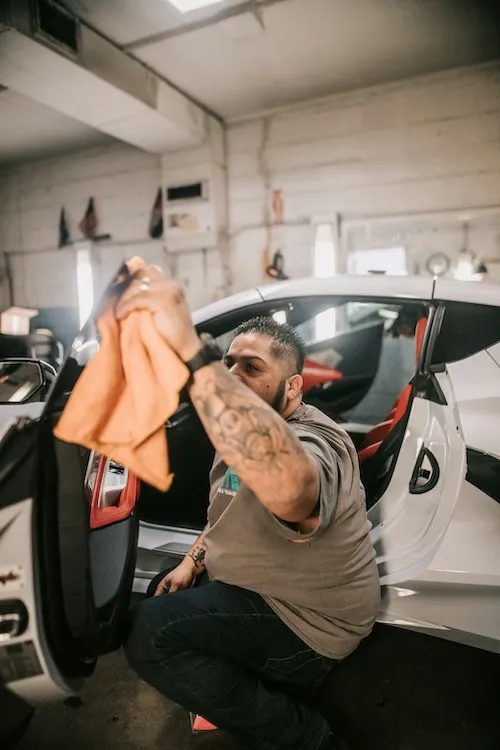
Car wash success still comes down to people working together toward a shared goal, and the operators most likely to achieve that are the ones physically present in their stores. That is the central argument in a column by industry consultant Robert Roman, published in Auto Laundry News, who draws on more than 25 years working alongside owners, managers, and front-line crews.
Roman frames the discussion around a simple point: until a high-volume express site can run with a single on-site employee and a rotating maintenance team, washes will continue to depend on workers and managers. How those people are treated, he contends, shows up directly in customer satisfaction.
Presence as a competitive advantage
Roman points to restaurant chain Culver's as a model, citing its practice of hiring good people, treating them like family, making customers feel welcome, and keeping owners and operators working inside the stores. He notes that this kind of experience is often missing from support services, including quick-service restaurants, convenience stores, gas stations, and car washes.
According to the column, the highest share of hands-on operators comes from independents who own one or two sites. Multi-site owners are less likely to work a location daily because of logistics and competing responsibilities, and owners of large networks may never visit a property at all.
Roman distinguishes between management styles. Today's top operators, he writes, are systems-driven, relying on standard operating procedures, checklists, and measured metrics. In full-service and flex formats, the strongest operators work in their stores, maintain clear accountability, and extend a Culver's-style attitude toward both customers and employees. He argues that authoritarian command-and-control managers, micromanagers, and hands-off owners who depend on dashboards, cameras, and contractors tend to be less successful, and that those types are becoming rarer.
He also recounts his time managing for a large chain, where training emphasized urgency: urgency to upsell, to finish quickly with minimal labor, and to keep the line moving. That approach can work, he writes, but not when pushed to the extreme.
A softening retail market
Roman connects the management question to current conditions. He cites industry research showing the retail side of the business on a downward trajectory for over a year, pointing to the most recent Rinsed quarterly report that notes a 3 to 4 percent decline. Combined with a three-year plateau in average per-car revenue and a growing number of washes offering low-dollar wash plan sign-ups, he suggests the year ahead could be tight.
Why it matters for operators
Roman's thesis lands at a moment when margins are under pressure, and his practical conclusion is that owner presence is cheap leverage. Operators juggle employees, inventory, costs, quality control, housekeeping, maintenance, and customer service, and all of those are easier to manage in person than through remote tools alone. For single-site and small-group owners, that argues for protecting time on the floor rather than delegating it away.
The softening volume data gives the point urgency. If average per-car revenue has plateaued and membership pricing is drifting lower, operators cannot count on growth to cover operational slack. The washes that defend their numbers this year are more likely to be the ones catching problems early, coaching crews directly, and keeping the customer experience consistent. Dashboards and cameras remain useful, but Roman's framing is a reminder that they supplement on-site leadership rather than replace it.