Why interior detailing fails when technicians skip diagnosis
A technical guide argues that matching chemistry to the type of stain or odor, instead of guessing, is what prevents costly callbacks on interior jobs.
By The Car Wash News Staff
3 min read
A vehicle interior can look spotless on pickup and still bring a customer back a week later complaining about a smell that never left. According to reporting from Professional Carwashing & Detailing, the difference between a clean job and a callback usually comes down to one step many technicians skip: identifying what caused a stain or odor before reaching for a product. The wrong chemistry can make a stain disappear visually while the real source keeps growing underneath.
The guidance, authored by Stinger Chemical, frames interior work around a simple principle. Diagnose first, then choose chemistry to match the contamination. Grabbing the wrong product wastes time and material and often leaves the underlying problem untouched.
Match the chemistry to the contamination
The piece divides nearly all interior stains into two categories: organic and inorganic. Organic stains come from anything once alive or containing proteins and sugars, including blood, vomit, and food or drink spills. Inorganic stains come from mineral or petroleum sources such as ink, tar, grease and fuel. A cleaner built for mineral deposits will not touch a protein stain, and the reverse holds true.
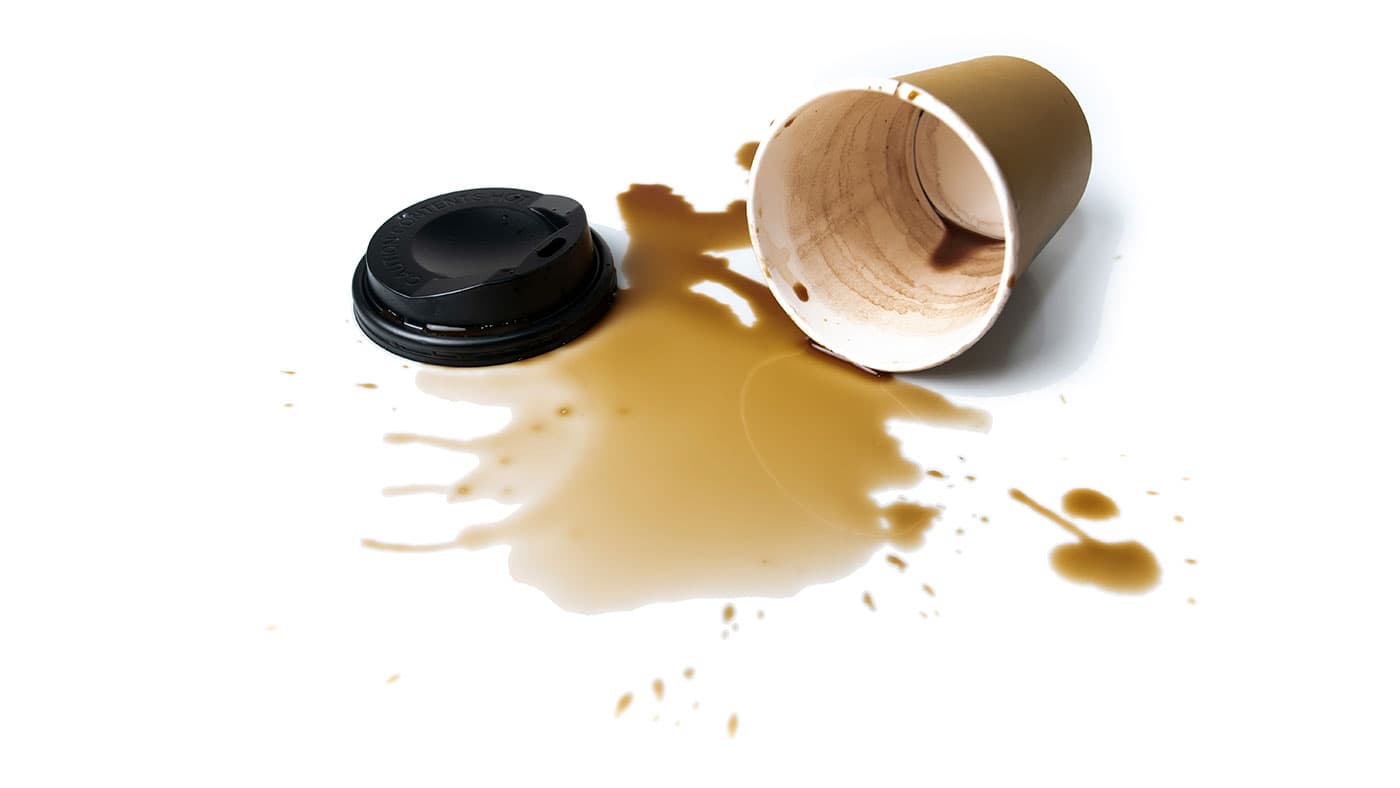
Blood illustrates the point. As a protein-based stain, it responds to an enzyme approach that breaks down the protein rather than a harsh solvent, which can set the stain deeper into fabric. Coffee and wine add another wrinkle because both contain tannins that behave differently than ordinary spills. Black coffee reacts one way, while coffee with creamer introduces a protein element that changes the approach entirely.
For organic contamination, the article points to enzyme-based cleaners as effective but underused. An enzyme cleaner activates in water and introduces a bacterium that consumes organic material causing an odor. The process takes patience: spray, let it dwell for about 30 minutes, and reapply on stubborn cases. Heavy mold typically needs a dedicated mold remover first, followed by enzyme treatment on the bacteria left behind.
Inorganic buildup calls for a different tool. Citrus-based cleaners, distilled from orange peels, cut through tar, grease and adhesive residue without being as aggressive as heavier solvents like lacquer thinner, and they work well in cracks and crevices.
Kill the source, and protect the technician
Odor removal fails most often when a technician masks a smell instead of eliminating it. A fragrance covers the problem for a day or two, but the bacteria or contamination remains in fabric, carpet padding or seams, and the smell returns. A fuel spill in a trunk is the example given: gasoline keeps producing odor until every trace is broken down, not just covered.
The article also stresses safety. Interior work happens in enclosed cabins with limited airflow, and some of the strongest products carry real fumes. An N95 mask, gloves and eye protection belong in the kit for any deep interior job, especially mold remediation or heavy odor cases requiring extended dwell time.
Why it matters for operators
Callbacks are expensive. A repeat odor complaint costs far more labor than doing the job correctly the first time, and it erodes the trust that keeps customers returning for more than a basic wash. The practical fix the article recommends is a 30-second diagnostic habit: determine what caused the stain, how long it has been there, and whether it is organic or inorganic before touching any product.
Operators who train technicians to diagnose before cleaning report fewer redos. For washes building or expanding detailing revenue, standardizing that assessment step and stocking both enzyme and citrus-based chemistry gives staff the tools to solve problems once rather than cycling through products on a guessing game.