Unattended sites push memberships through the kiosk with new model
A podcast conversation details how self-serve and in-bay automatic operators are selling recurring wash plans with no on-site staff, adding hundreds of members at established locations.
By The Car Wash News Staff
3 min read
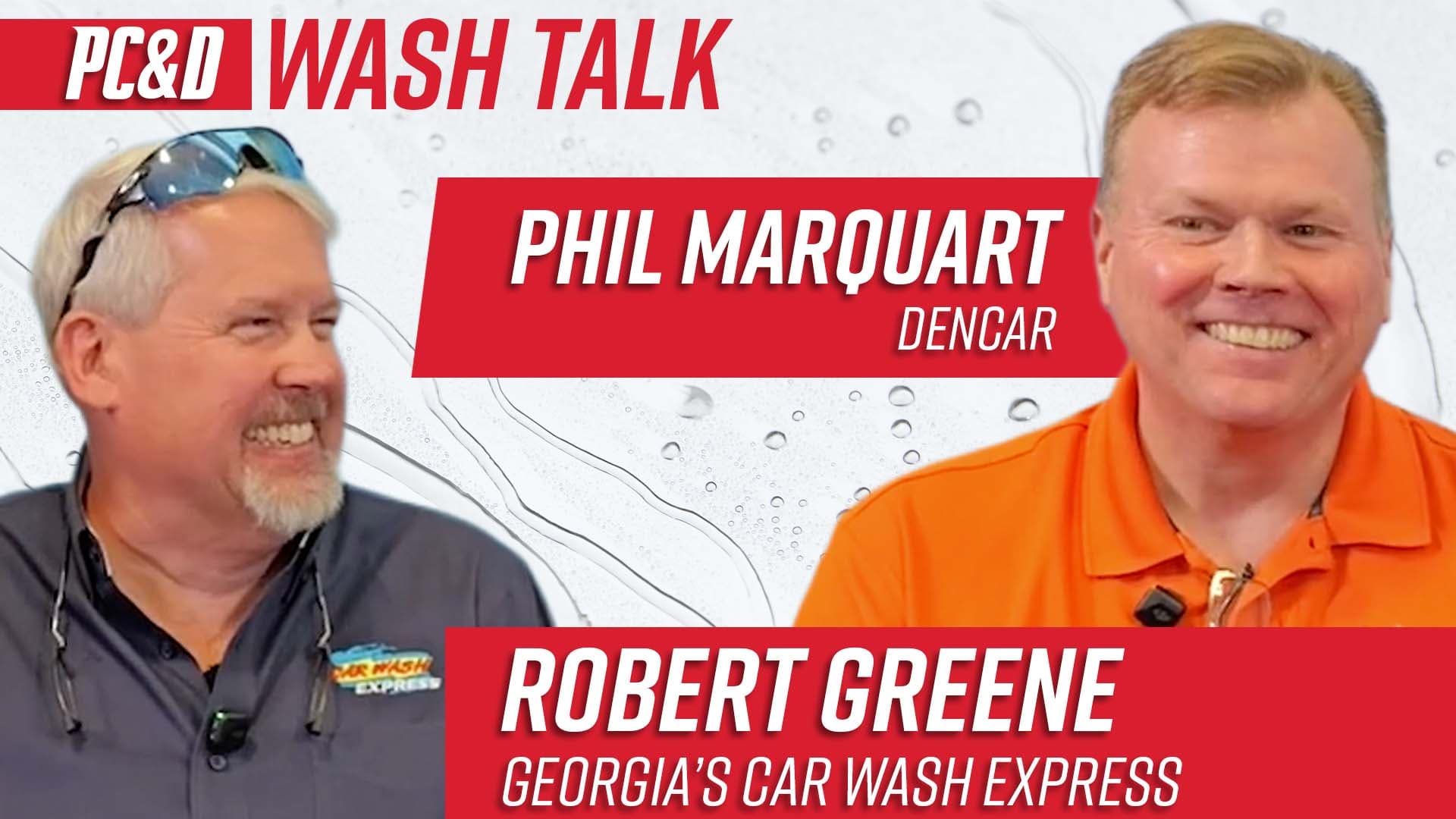
Recurring membership programs have long been the domain of attended express tunnels, but a growing set of technology aimed at self-serve and in-bay automatic sites is changing that. A recent episode of Wash Talk: The Carwash Podcast examines how operators are now selling and managing wash plans at unattended locations directly through the kiosk, without any staff on site.
According to reporting from Professional Carwashing & Detailing, the discussion featured Phil Marquart, founder of Dencar and operator of United Auto Wash, and Robert Greene, owner of Georgia's Car Wash Express, in a conversation hosted by Kyle Alexander at The Car Wash Show.
From an operator frustration to a product
Marquart traces the origin of his company to a problem he could not solve as an operator: no existing payment technology let him sell a membership at an unattended in-bay automatic site through the kiosk interface. After a failed partnership with an outside vendor, he built the system himself and has spent the past eight years refining it alongside operators, including Greene.
The core of the approach is a site-level membership model. Rather than tying a plan to a single service, it lets customers bundle self-serve bays, in-bay automatics, and vacuum stations into one program. That structure fits the mixed formats common at self-serve and IBA locations, where a customer might use several services on the same visit.
A nine-site rollout in coastal Georgia
Greene offers a case study in the episode. He built a multi-format mega site in 2008 but spent years unable to extend membership programs beyond his attended express tunnel locations. After discovering the technology at The Car Wash Show in 2022, he began a full rollout that now covers all nine of his coastal Georgia sites.
The reported result: more than 600 new members added in 2026 alone across established locations, with no on-site staff required to sell or manage them. The conversation also looked ahead, with both companies pointing toward deeper integration with marketing platforms to add drip campaigns and outbound lead generation to the membership stack.
Why it matters for operators
Membership revenue has been the clearest dividing line between express tunnel economics and the rest of the industry. Self-serve and in-bay automatic operators have generally captured one-off transactions while watching tunnel competitors build predictable monthly income and higher valuations. Technology that sells and manages plans at the kiosk begins to close that gap.
For operators of unattended sites, the practical takeaway is that recurring revenue no longer requires an attendant or a staffed sales point. The site-level bundling approach also gives customers a reason to consolidate spending across bays, automatics, and vacuums rather than paying per use. Greene's reported 600 additions came at established sites, not new builds, which suggests the upside is not limited to greenfield expansion.
Operators weighing this model should scrutinize the numbers behind such claims, including churn, average revenue per member, and how memberships affect throughput at unattended bays. The move toward marketing integration also signals that the next competitive battleground may be retention and lead generation, not just the initial sale.